


It’s never good when a home is underwater.
Knowing how to tell if you have water damage can save you time, money, and frustration, especially if you catch it early.
Some water damage is obvious. Wet curtains, soggy floorboards, and dripping drywall make it clear that you have a serious problem and need to call a professional water damage restoration company immediately.
But even when you do not have standing water, a storm or plumbing issue can leave behind damage that is easy to miss at first. If you recently had heavy rain or any kind of water event, this guide will help you spot the common signs and know what to do next.
Here’s how to check for water damage (and what to do if you find it).
First, Look for These Signs of Water Damage
When you are trying to spot water damage, start with what your home is already telling you. Use this section as a quick checklist.
Follow your nose
A musty or damp smell is one of the most common warning signs. If something smells “off” and it is not going away, investigate the area and nearby rooms. Odors often show up before you see visible damage.
For general background on safe cleanup when mold is suspected, you can review CDC mold cleanup guidance.
Look for stains and discoloration
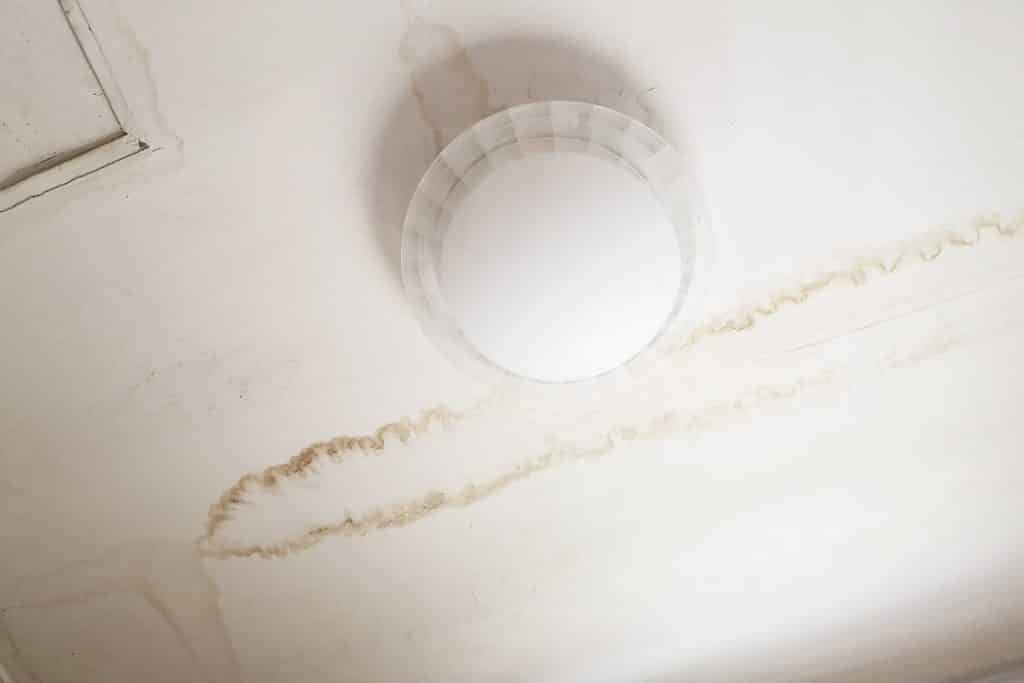
Stains suddenly appearing on ceilings, walls, or floors clearly indicate something is wrong.
Water can also cause discoloration, so be on the lookout for any changes in color on walls or floors. Lift rugs and look for water stains on the floor underneath.
These stains can be brown, yellow, or white and may be smeared or fuzzy in appearance.
Check for warped or soft wood
Water can cause wood to swell and warp. This damage to the wood is permanent, even after the water has dried up.
Look out for warped or soft areas on wooden floors or furniture. It may be a sign of water damage in the past.
Look for rust where it should not be
As rust can’t occur without water, it is often an indicator that there has been water present at some point.
So if you see rust on any metal surfaces in your home, electrical outlets, light switches, or nails on walls, it is worth investigating further.
Watch for suspicious “fresh repairs”
When you are purchasing a new home or moving into a new place, keep an eye out for signs of recent repairs. If you see patching or painting, particularly in areas where there is no reason for cosmetic repairs to be made, this could be a sign that someone is trying to cover up evidence of water damage.
If done correctly, water damage restoration should be unnoticeable. If you’re seeing the signs, there’s a good chance that cleanup wasn’t done properly.
Be sure to ask the previous owner or real estate agent about any recent repairs that have been made to the home before making a purchase.
Where to Check in Your Home (Quick Walk-Through)
If you recently had heavy rain, a plumbing issue, or any water event, this quick walk-through helps you check the most common hiding spots without turning it into a full home renovation project.
Under sinks and around plumbing
Check under kitchen and bathroom sinks for moisture, stains, swelling, or odor. Look at the cabinet floor and the wall behind the plumbing.
If you suspect a leak but cannot find it, sometimes water leaks are hard to detect.
Ceilings, attic access, and around vents
Look for discoloration on ceilings, especially near bathrooms, laundry areas, and air vents. If you can safely access your attic, look for any signs of moisture near roof penetrations and the underside of the roof.
Windows, doors, and baseboards
Doors and windows that are improperly sealed or have cracks can allow water to seep in over time. Check for swelling, peeling paint, or damp smells around trim and baseboards.
Floors, rugs, and along exterior walls
Lift rugs in corners and along exterior walls. Check for stains, odor, warping, or soft spots. Don’t leave out any spot just because it is inconvenient to check.
Tools That Help You Confirm Water Damage
Get a water detector or moisture meter
Professionals often use water detectors or moisture meters to find water damage by measuring the moisture in building materials such as drywall, wood, and concrete.
Water detectors or moisture meters can be very helpful in finding hidden water damage that you might not otherwise be able to see. Place them in areas where you suspect there is an active leak.
When an inspection is the safest next step
Water damage can be tricky to spot. Even if you don’t see any obvious signs, there could be underlying issues.
So, if you’re concerned that you have water damage in your home, the best way to find out is to have it inspected by a professional. They have the expertise and experience to make sure your home is safe.
Sneaky Causes Of Water Damage (So You Know Where to Look Next)
Many water leak issues are often simple to resolve. However, if not appropriately addressed, they can cause significant damage.
Hidden leak or clog
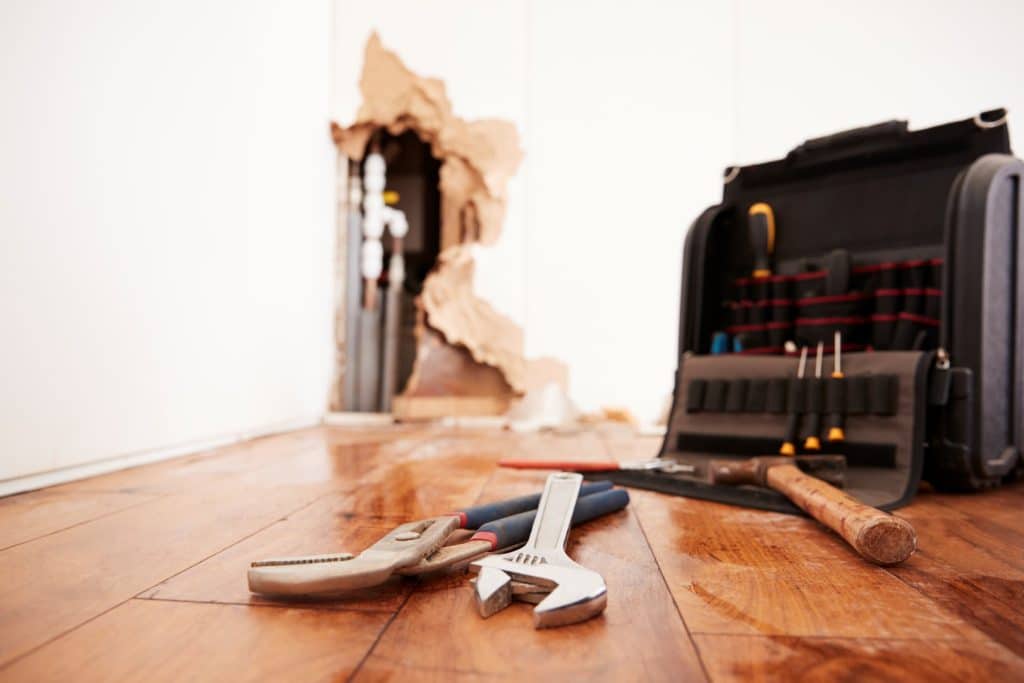
A common plumbing problem is a leaky pipe or a clogged drain behind the drywall or under the floor.
Those small water leaks and clogs can go undetected for a long time if you don’t see the evidence right away. So you think everything is fine, when there’s a growing problem just under foot.
Foundation problems
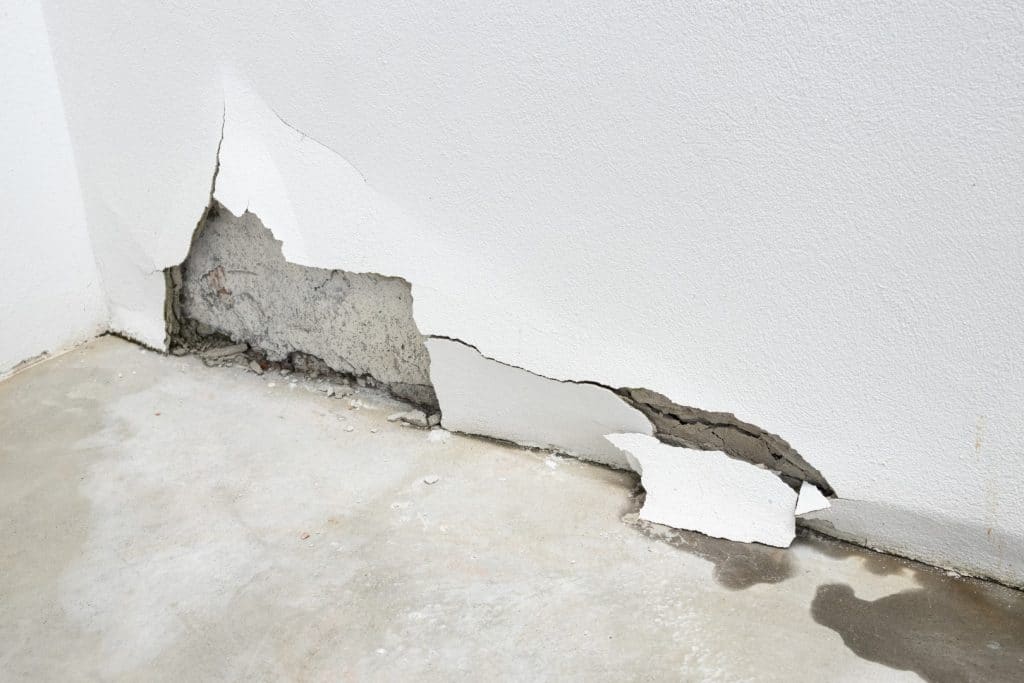
An undetected water leak at the foundation can lead to major structural problems. There are a number of potential reasons for this:
- Ground that slopes down toward your home can cause water to collect and seep into your foundation, causing cracks and uneven settling.
- Improper drainage around the foundation causes water to pool next to the foundation and seep in through cracks.
- Hydrostatic pressure from high water tables or heavy rain can push water through cracks in the foundation.
- Plumbing leaks from pipes running through the foundation or gutters that direct rainwater next to the foundation.
Improperly sealed doors and windows
Doors and windows that are improperly sealed or have cracks can cause water to seep in and cause damage. Over time, this can lead to warped wood, mold, and other problems.
For general background on safe mold cleanup, you can review EPA mold cleanup basics.
Missing or cracked shingles
Even a tiny gap in the shingles can allow water to seep in and cause damage to your home’s structure or lead to mold growth. Remember, your roof is your home’s first defense against rain (and here in Central Florida, we get a lot of it!).
What To Do Next If You Find Water Damage
Call a professional immediately if you see any of the indications we’ve outlined here and you suspect water damage in your home. Ignoring water damage can lead to severe problems down the road. So, it is always best to be on the side of caution and call a professional restoration company right away.
Do you suspect that your home is dealing with water damage? Then reach out to a reliable and professional restoration company.
Axel Works is a water damage restoration company in Central Florida. Our technicians are trained to assess the situation and offer expert advice on what your next steps should be.
We have the experience and knowledge necessary to identify the underlying issue and recommend the best course of action for restoring your home to its original condition.
Time is of the essence. Waiting now only increases the amount of damage done, increasing the costs of repairs.
Don’t hesitate! Contact Axel Works today.
For general post-flood safety background, you can also review FEMA flood cleanup safety tips.


