



Mold removal should never be a haphazard process.
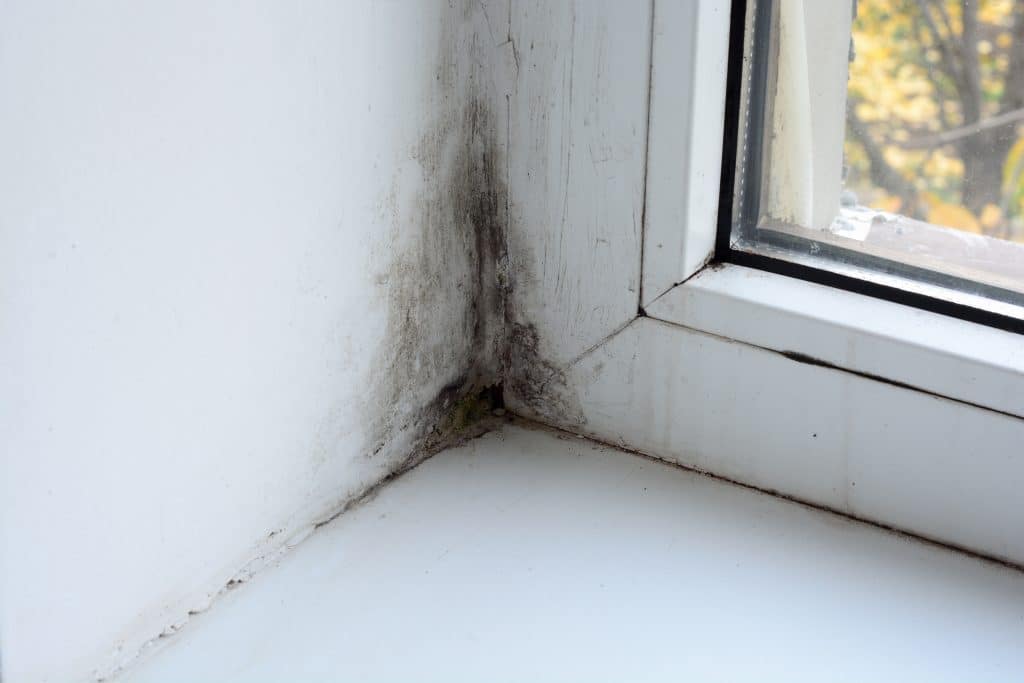
Finding the telltale signs of a mold problem is always a cause for concern. Even if you don’t know what type of mold it is or how it got there, one thing’s for sure…you want it gone! Before you grab the bleach or a “mold-killing” primer, it helps to understand what actually works, and what can make things worse.
But don’t reach for that can of Kilz just yet.
It is important to know how to get rid of mold properly so that it doesn’t rear its ugly head again. Because mold growth doesn’t just “return,” it goes to the gym and comes back ready to rumble!
And the only way to ensure that you’ve completely gotten rid of the mold is to let a pro handle the job.
Hazards of Mold
While some molds are beneficial (such as penicillin) or downright enjoyable (blue cheese dressing, anyone?), the vast majority of mold strains found inside Florida homes are the kind that lead to serious hazards. The good news is that not all mold is black mold.
Mold colonies can lead to unpleasant odor and even health issues, such as headache, sore throat, congestion, and asthma attacks. But even if you’re one of the lucky few who doesn’t have a sensitivity to mold, that infestation could be putting your home at risk.
Mold spores can settle into porous surfaces, ceiling tiles, or any other surface. Unfortunately, mold can also cause structural damage.
5 Steps Professionals Take to Get Rid of Mold the Right Way
1. Identify and Eliminate the Source of Moisture
Mold cannot survive without water, so the first step is finding where it is coming from, whether a leak, storm intrusion, plumbing issue, or humidity problem. A licensed mold assessor inspects and tests to confirm the type and extent of growth and outlines a remediation plan before removal begins.
2. Contain the Affected Area
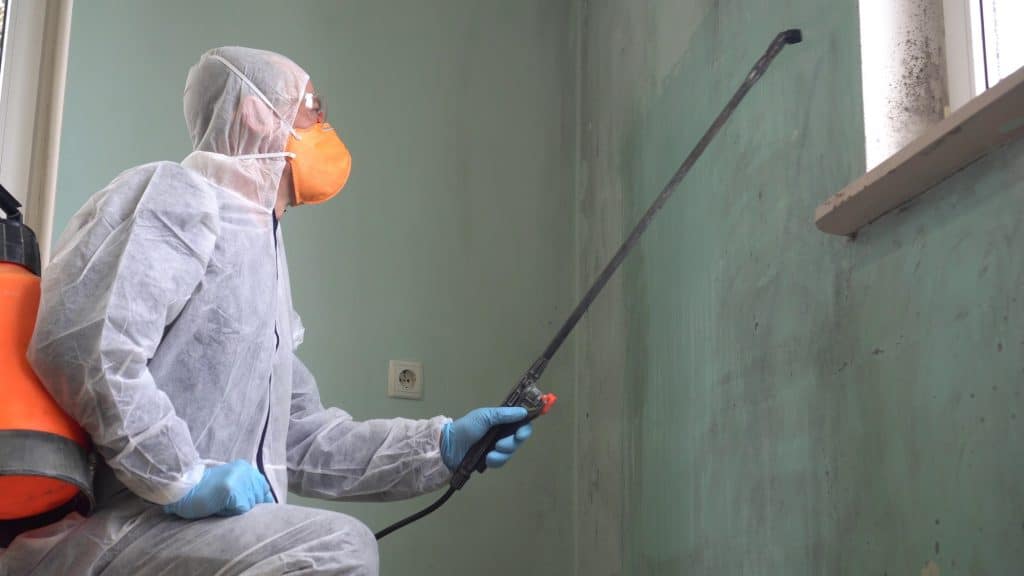
To prevent mold from spreading, airtight barriers made from polyethylene sheeting are put up around the affected area. Depending on the size of the infestation, air scrubbers may also be used to clean mold spores from both inside and outside the space.
3. Remove Contaminated Materials Safely
Infested materials such as drywall, insulation, or flooring are carefully cut out and removed. Licensed mold remediators follow strict EPA guidelines and use protective equipment like hazmat suits and respirators to ensure safety for everyone involved.
4. Clean and Disinfect the Area
Once the mold has been removed, the entire area is HEPA vacuumed to capture any lingering spores. Then an EPA-approved disinfectant, such as Decon 30, is applied to penetrate porous surfaces and kill any remaining mold, fungi, or yeast.
5. Verify Air Quality and Restore the Space
After remediation, a licensed assessor retests the air to ensure the mold is gone and the environment is safe. Any remaining moisture is removed with industrial fans and dehumidifiers, and repairs are completed to restore your home.
How To Prevent Mold
Sometimes mold damage cannot be prevented due to a catastrophic loss or other water damage out of your control.
Other instances, with a little perseverance, mold remediation can be avoided completely with some preventative measures on your part.
Little things like utilizing a dehumidifier to keep the air dry inside your home, make sure clothes dry completely before putting them away (and don’t keep wet towels bunched up on the bed!), and using a bathroom fan to help with humidity after a bath or shower can work wonders.
FAQs About Mold Removal
1.Can I remove mold myself?
You can wipe away the surface, but spores remain hidden in walls and porous materials. Only licensed professionals can ensure it’s truly gone.
2. What kills mold permanently?
Mold is eliminated by removing affected materials and treating the area with EPA-approved solutions like Decon 30—not just by spraying bleach.
3. How long does mold remediation take?
Most projects take 1–5 days depending on the extent of damage, moisture levels, and drying time.
4. Does insurance cover mold damage?
Coverage varies. Mold from sudden leaks or storm damage is often covered, while mold from long-term neglect may not be.

Mold Removal Services You Can Trust
Trying to get rid of mold is not the same thing as knowing how to get rid of mold.
When it comes to mold, water, fire damage, or any other disaster cleanup, DON’T attempt to do it yourself! Mold is dangerous, pervasive, and nearly impossible to remove without a professional mold remediation company.
Of course, your best course of action is to prevent mold from growing in the first place by monitoring your home for water leaks and intrusion, using dehumidifiers, and promoting air circulation. And if you do experience a flood, leak, or other water damage, have it cleaned up thoroughly…before mold can make its home there.
Luckily, Axel Works is here to help with any disaster life throws your way!
From fires to floods and everything in between, our crew has the knowledge and skill to get the job done right the first time. Call today! We’re available 24/7 with prompt, attentive service.


