


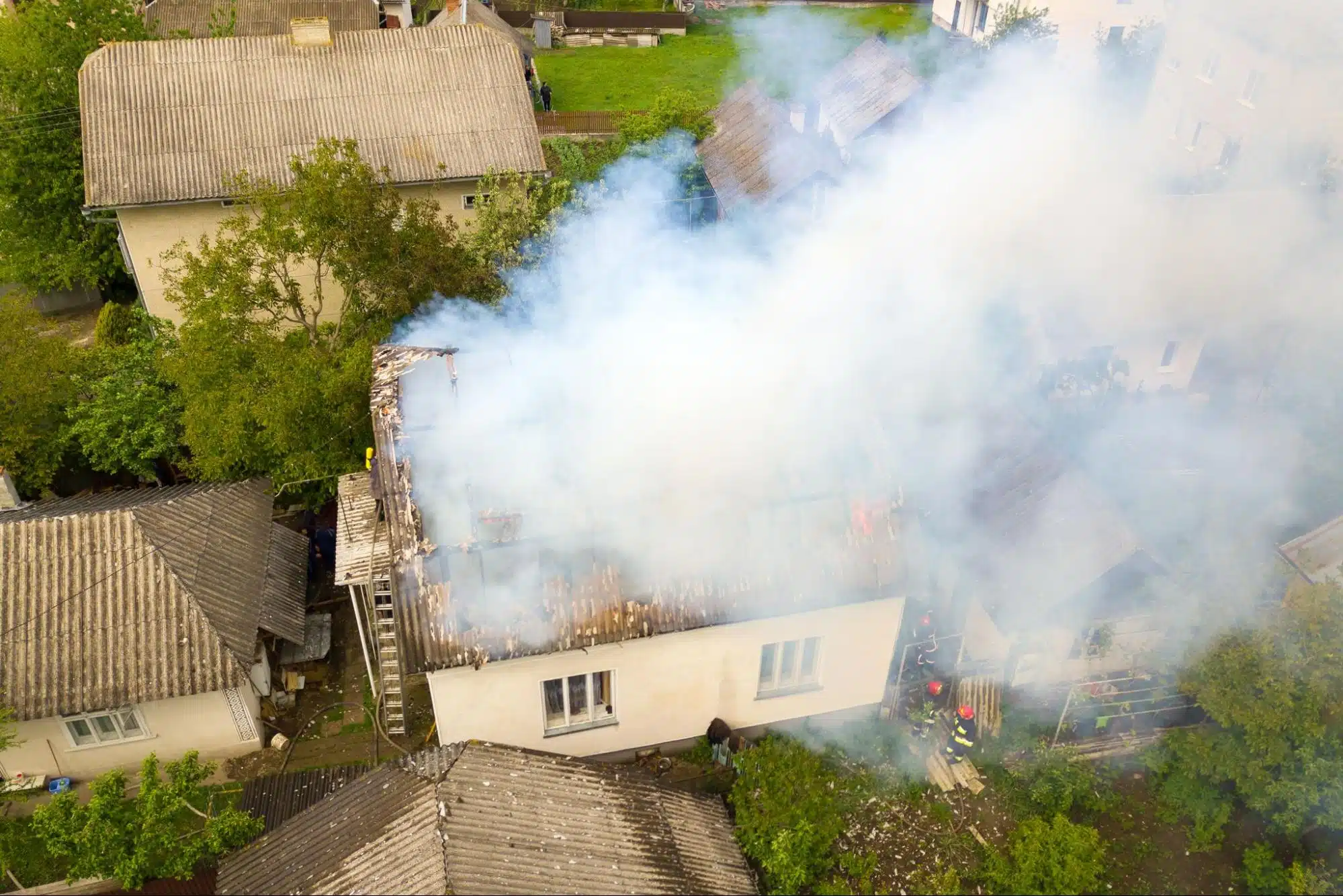
A house fire can turn life upside down in a matter of minutes. Even when the flames are contained quickly, the aftermath can feel like another kind of disaster. Smoke damage, water from firefighting efforts, and safety concerns make it hard to know what to do next.
Understanding what to do after a house fire helps you protect your safety, reduce additional damage, and move forward with confidence. The seven steps below explain who to call first, how to handle utilities and insurance, and why professional fire damage cleanup is so important.
Step 1: Make Sure the Home Is Safe
Before reentering your home, wait until the fire department or local authorities confirm it is safe. Fire can weaken floors, walls, and ceilings even if damage is not obvious. Hidden embers and compromised electrical systems can create serious risks.
If you are allowed to return briefly, avoid touching electrical panels, appliances, or exposed wiring. If it is safe to do so, turn off the electricity and water at the main shutoffs. Firefighting efforts often involve large amounts of water, which can lead to leaks, flooding, or electrical hazards.
If you smell gas, hear hissing sounds, or notice structural instability, leave the home immediately and contact professionals. Safety should always come before cleanup or documentation.
Step 2: Who to Call First After a House Fire
While insurance is important, it’s usually best to call a professional fire damage restoration company first.
Fire damage does not end when the flames are extinguished. Smoke and soot continue to spread, acidic residue begins damaging surfaces, and water from firefighting efforts can soak into floors, walls, and insulation. Acting quickly helps limit these secondary issues.
A restoration company can stabilize the property, begin emergency mitigation, and document damage properly. Once that process is underway, you should contact your insurance company to start the claim.
Early professional involvement often leads to smoother claims and fewer long term problems.

Step 3: Document the Damage
If it is safe to do so, take photos and videos of all affected areas. This includes rooms where the fire occurred, as well as areas with smoke staining, soot residue, or water damage. Don’t forget to document personal belongings, furniture, and structural elements.
Do not discard damaged items unless they pose a health or safety risk. Insurance adjusters may need to see them, and disposal without documentation can complicate the claim.
Many homeowners find that working with a restoration company early helps ensure documentation is thorough and accurate.
Step 4: Understand the Insurance Claim Process
Knowing what to do after a house fire includes understanding how the insurance process works. When filing a claim, be prepared to describe the cause of the fire, the areas affected, and any emergency mitigation that has taken place.
Fire damage claims often involve more than visible burn marks. Smoke damage, odor contamination, and water damage can affect areas far from where the fire started. Be honest and detailed when answering questions, and avoid minimizing damage.
Keep a record of claim numbers, adjuster contact information, and all communication. A professional restoration team can assist with documentation and help explain what repairs and remediation are needed.
Step 5: Avoid DIY Fire Damage Cleanup
It is natural to want to start cleaning right away, but improper fire cleanup can cause lasting damage. Soot particles are acidic and can permanently stain or corrode surfaces if not cleaned correctly. Smoke odor embeds deep into walls, fabrics, and HVAC systems and cannot be removed with household products.
Avoid common mistakes such as:
- Using water or household cleaners on soot
- Running fans that spread smoke particles
- Painting over smoke stained walls
- Shampooing carpets without proper treatment
- Removing damaged materials without assessment
Understanding what to do after a house fire also means knowing when not to act alone. Professional equipment and methods are required to fully address fire and smoke damage.
Step 6: Turn Off Utilities When Needed
In many fire situations, utilities should remain off until professionals inspect the home. Damaged wiring, plumbing, or gas lines can create serious hazards if reactivated too soon.
If authorities or restoration professionals advise keeping utilities off, follow that guidance. Power and water are typically restored after inspections confirm it is safe to do so.
Restoration professionals can coordinate with electricians, plumbers, and inspectors as part of the recovery process.
Step 7: How to Choose the Right Fire Damage Cleanup Company
Choosing the right cleanup company is one of the most important decisions you will make after a fire. Not all companies handle fire damage the same way.
Look for a company that:
- Specializes in fire and smoke damage restoration
- Responds quickly and offers emergency services
- Uses professional grade equipment for odor removal
- Performs detailed inspections and moisture testing
- Communicates clearly and follows industry standards
Avoid companies that promise quick fixes or suggest skipping steps. Fire restoration is a detailed process that requires experience and precision.

Recovery Takes Time, But the Right Steps Matter
Knowing what to do after a house fire does not remove the stress, but it does help you regain control. Taking the right steps early protects your home, your health, and your long term comfort.
Fire damage often affects more than what you can see. Proper restoration addresses smoke, soot, odor, and water damage so your home can be safely occupied again.
Restore Your Home With Axel Works
A house fire is a life changing event, but you don’t have to face the aftermath alone. Axel Works provides professional fire damage restoration, smoke odor removal, and complete remediation services.
Our team responds quickly, documents damage accurately, and works with your insurance to guide you through each step of recovery. We focus on restoring your home safely, thoroughly, and according to industry standards.
If your home has experienced a fire, contact us today. The sooner action is taken, the more damage can be prevented and the sooner the recovery process can begin.


